Por L. Carmen GómezBy L. Carmen Gómez
2 de agosto de 2026August 2, 2026
Existe una aritmética del duelo que aprendemos a fuerza de repetición. La contamos en titulares que se parecen entre sí, en vigilias que ya conocemos de memoria, en cifras que dejan de estremecernos precisamente porque dejan de ser noticia. Esta semana quiero ofrecer esa aritmética con la mayor honestidad posible, porque las cifras, cuando se leen con cuidado, cuentan una historia más compleja que el relato al que nos hemos acostumbrado. Y quiero situar esa historia dentro de una discusión legislativa que se libra hoy en Washington y cuyas consecuencias no se detienen en las fronteras de Estados Unidos.There is an arithmetic of mourning that we learn through sheer repetition. We recite it in headlines that resemble one another, in vigils we already know by heart, in figures that stop shaking us precisely because they stop being news. This week I want to offer that arithmetic as honestly as possible, because the numbers, read carefully, tell a more complex story than the one we’ve grown used to. And I want to place that story inside a legislative discussion unfolding right now in Washington, one whose consequences do not stop at the borders of the United States.
Lo que dicen los números en 2026What the Numbers Say in 2026
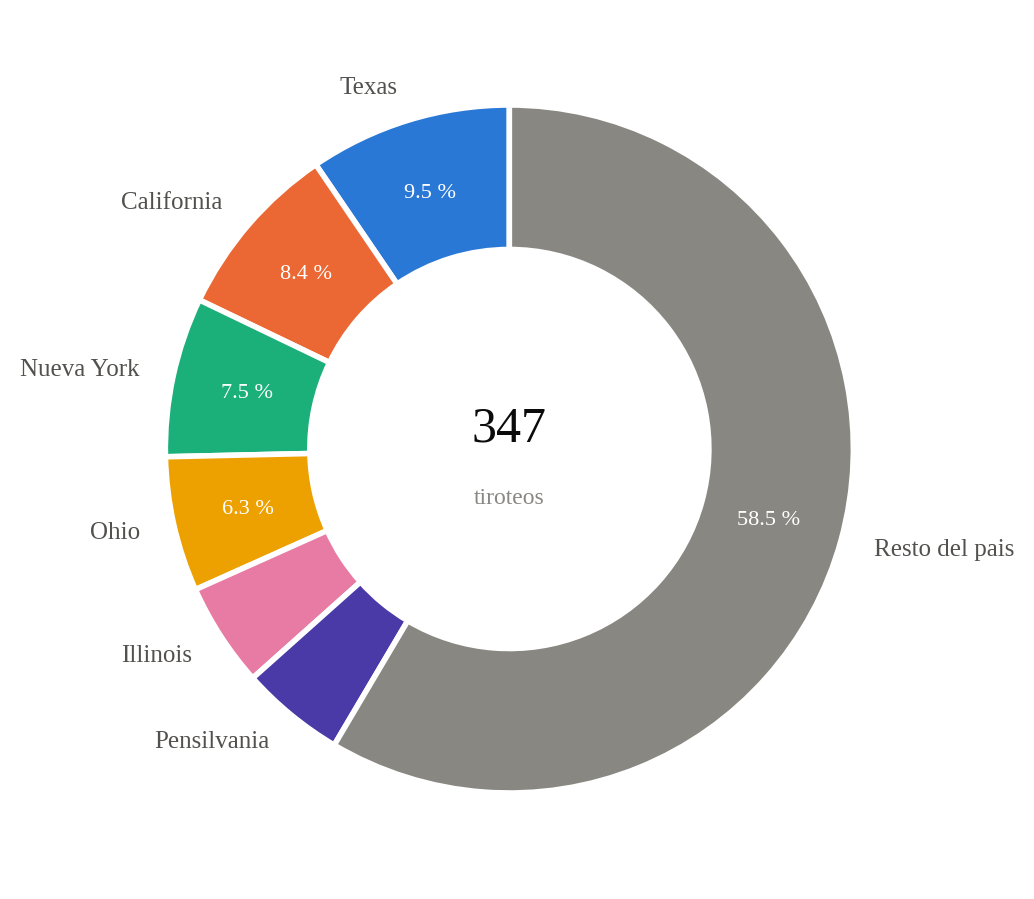
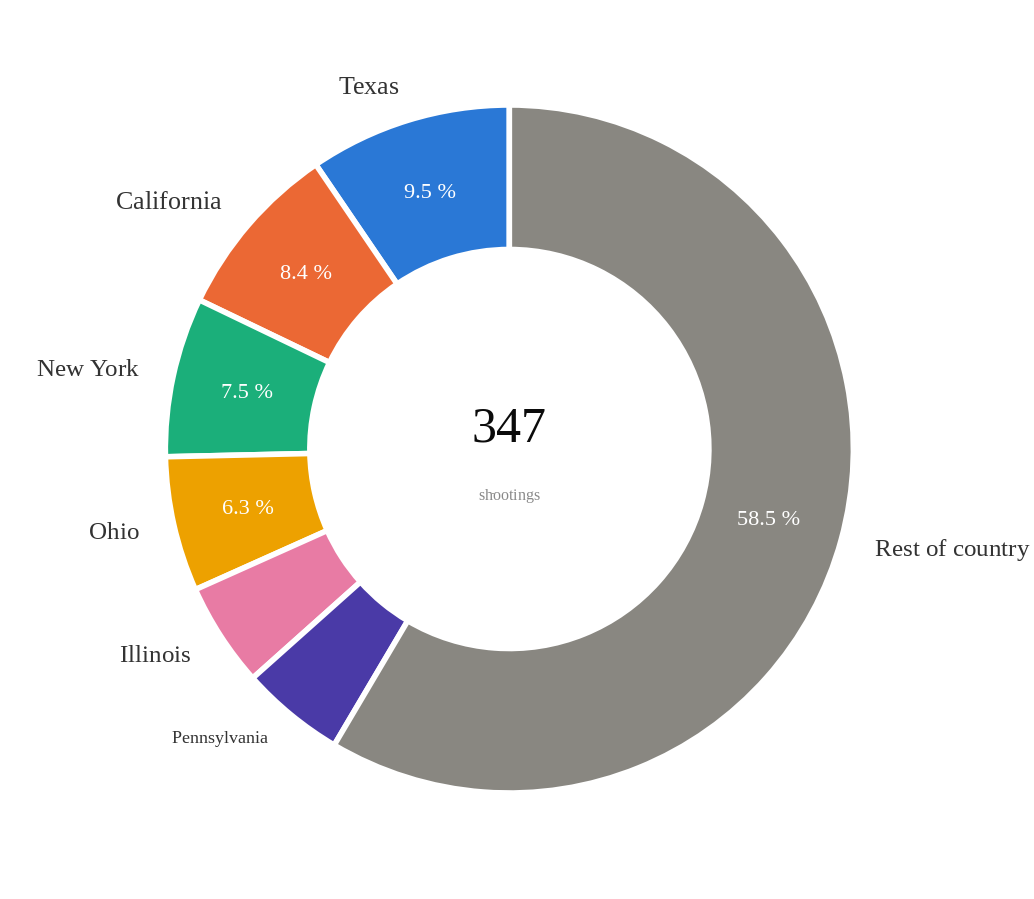
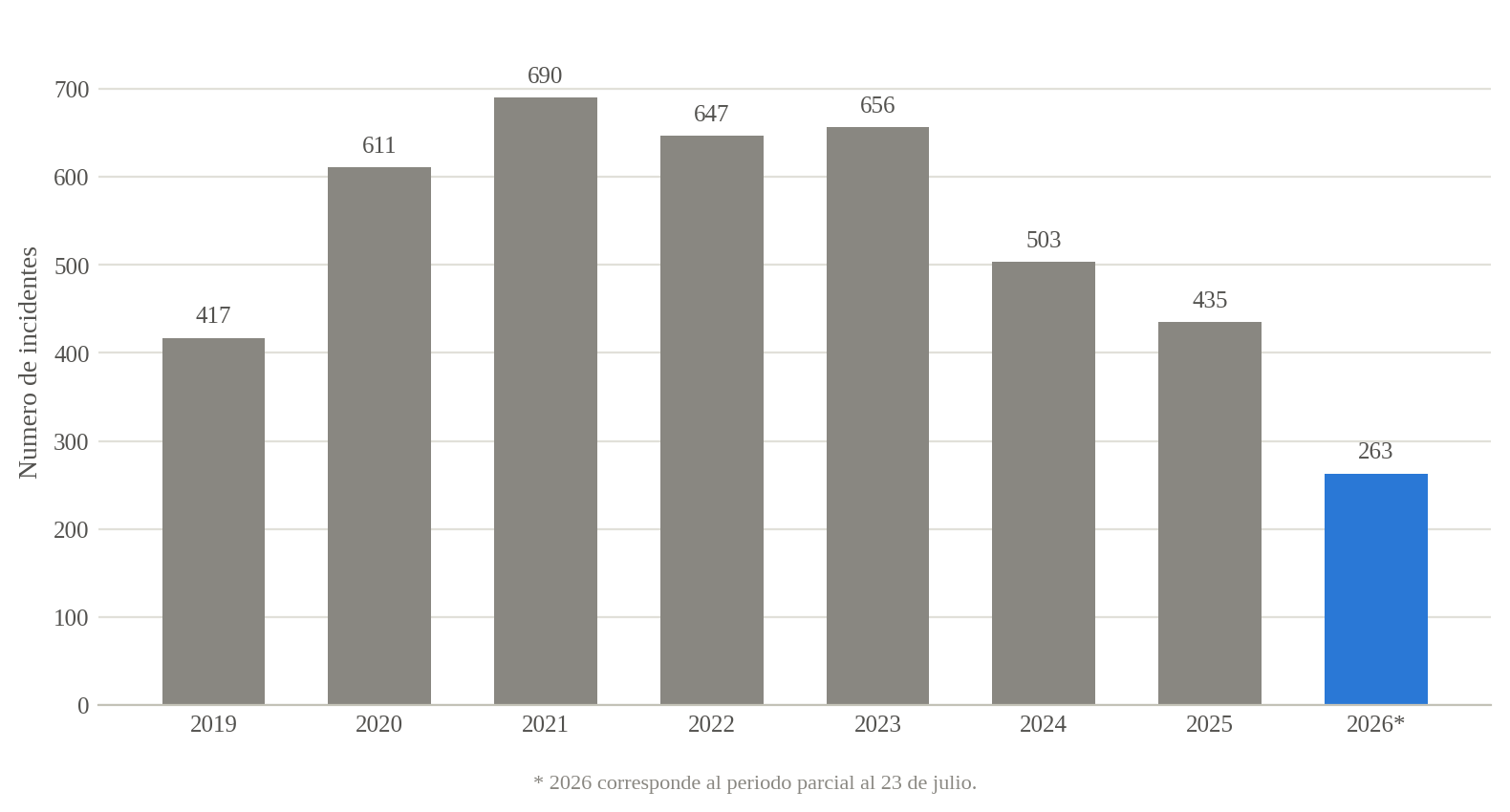
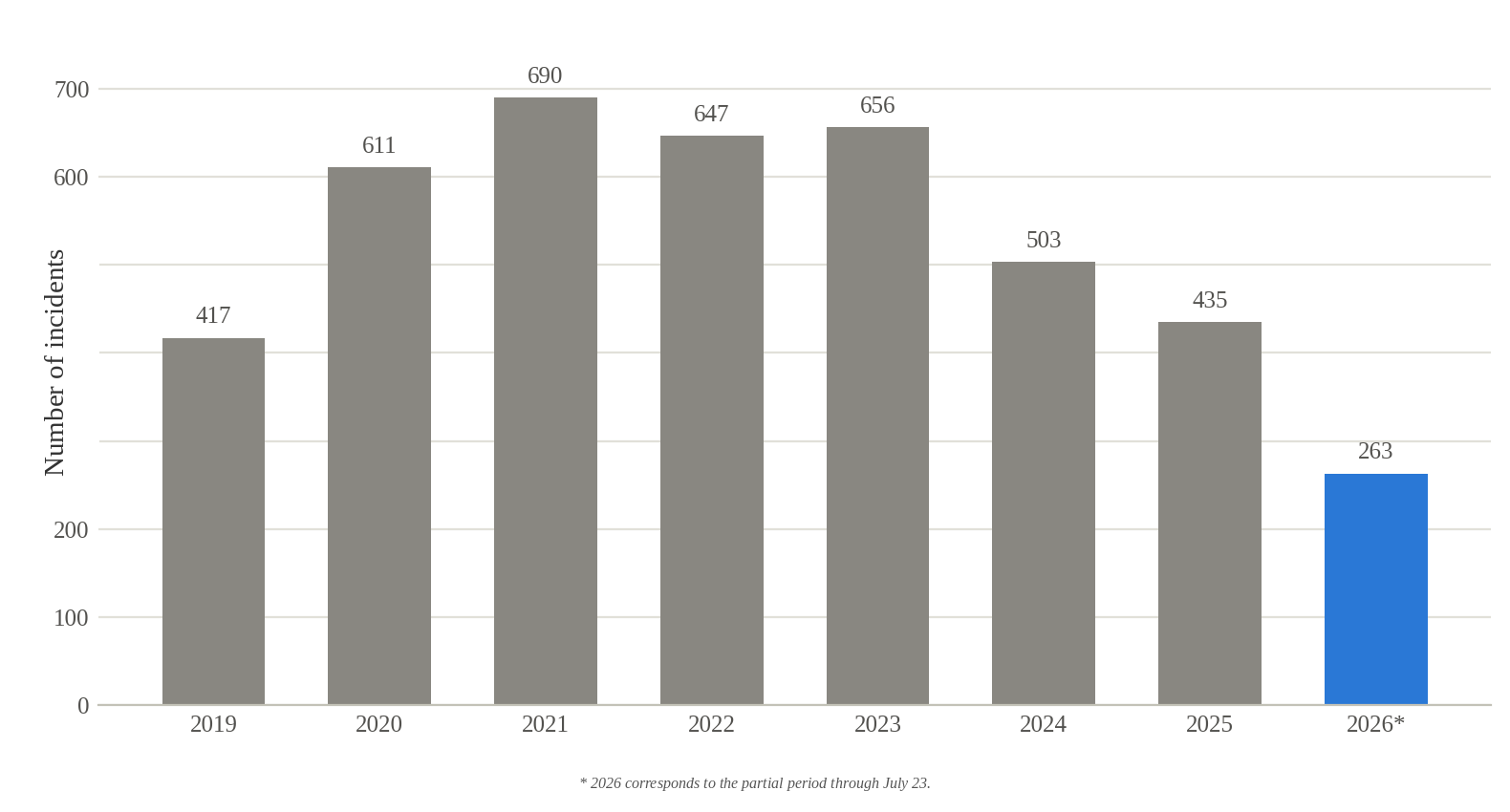
Comencemos por lo que sabemos. Según el Gun Violence Archive, en la primera mitad de 2026 Estados Unidos registró 206 tiroteos masivos, una cifra ligeramente superior a los 193 del mismo periodo del año anterior (Gun Violence Archive, citado en The Trace, «92 Days In Gun Violence: Q2 2026», julio de 2026). Al cierre de julio, el mismo Gun Violence Archive contabilizaba 271 tiroteos masivos en lo que iba del año (Gun Violence Archive, «Past Summary Ledgers», publicado el 23 de julio de 2026). Su definición es amplia: un mínimo de cuatro víctimas por disparo, heridas o muertas, sin contar al agresor (Gun Violence Archive, «Methodology»).Let’s begin with what we know. According to the Gun Violence Archive, the United States recorded 206 mass shootings in the first half of 2026, a figure slightly higher than the 193 recorded in the same period the previous year (Gun Violence Archive, cited in The Trace, «92 Days In Gun Violence: Q2 2026,» July 2026). By the end of July, the same Gun Violence Archive counted 271 mass shootings so far this year (Gun Violence Archive, «Past Summary Ledgers,» published July 23, 2026). Its definition is broad: a minimum of four victims shot, wounded or killed, not counting the perpetrator (Gun Violence Archive, «Methodology»).
Conviene detenerse en un matiz que rara vez aparece en los titulares. Aunque los tiroteos masivos aumentaron levemente, la cifra actual sigue muy por debajo de los años posteriores a la pandemia, cuando el total superó los trescientos en varias ocasiones (Gun Violence Archive, citado en The Trace, julio de 2026). De hecho, los datos del primer trimestre de 2026 reflejaron el número más bajo de muertes por disparos en un primer trimestre en los últimos doce años (Gun Violence Archive, citado en The Trace, «The Data on Gun Violence in America, Q1 2026», abril de 2026). Los tiroteos masivos, con todo su peso simbólico y su capacidad para conmocionar a una nación, representaron apenas el 3,6 por ciento de las muertes por disparos registradas en 2026 (The Trace, abril de 2026).It’s worth pausing on a nuance that rarely makes the headlines. Although mass shootings rose slightly, the current figure remains well below the post-pandemic years, when the total exceeded three hundred on several occasions (Gun Violence Archive, cited in The Trace, July 2026). In fact, first-quarter 2026 data reflected the lowest number of first-quarter gun deaths in twelve years (Gun Violence Archive, cited in The Trace, «The Data on Gun Violence in America, Q1 2026,» April 2026). Mass shootings, for all their symbolic weight and their capacity to shock a nation, accounted for just 3.6 percent of the gun deaths recorded in 2026 (The Trace, April 2026).
Menciono este matiz no para minimizar el horror, sino porque la precisión es una forma de respeto. El goteo diario de la violencia armada, la que no genera titulares, mata a muchas más personas que los episodios masivos que capturan nuestra atención. Escribir con honestidad sobre este tema exige sostener las dos verdades a la vez: los tiroteos masivos son eventos estadísticamente raros, y aun así cada uno constituye una herida irreparable en el tejido de una comunidad.I mention this nuance not to minimize the horror, but because precision is a form of respect. The daily drip of gun violence — the kind that generates no headlines — kills far more people than the mass episodes that capture our attention. Writing honestly about this subject requires holding both truths at once: mass shootings are statistically rare events, and each one still constitutes an irreparable wound in a community’s fabric.
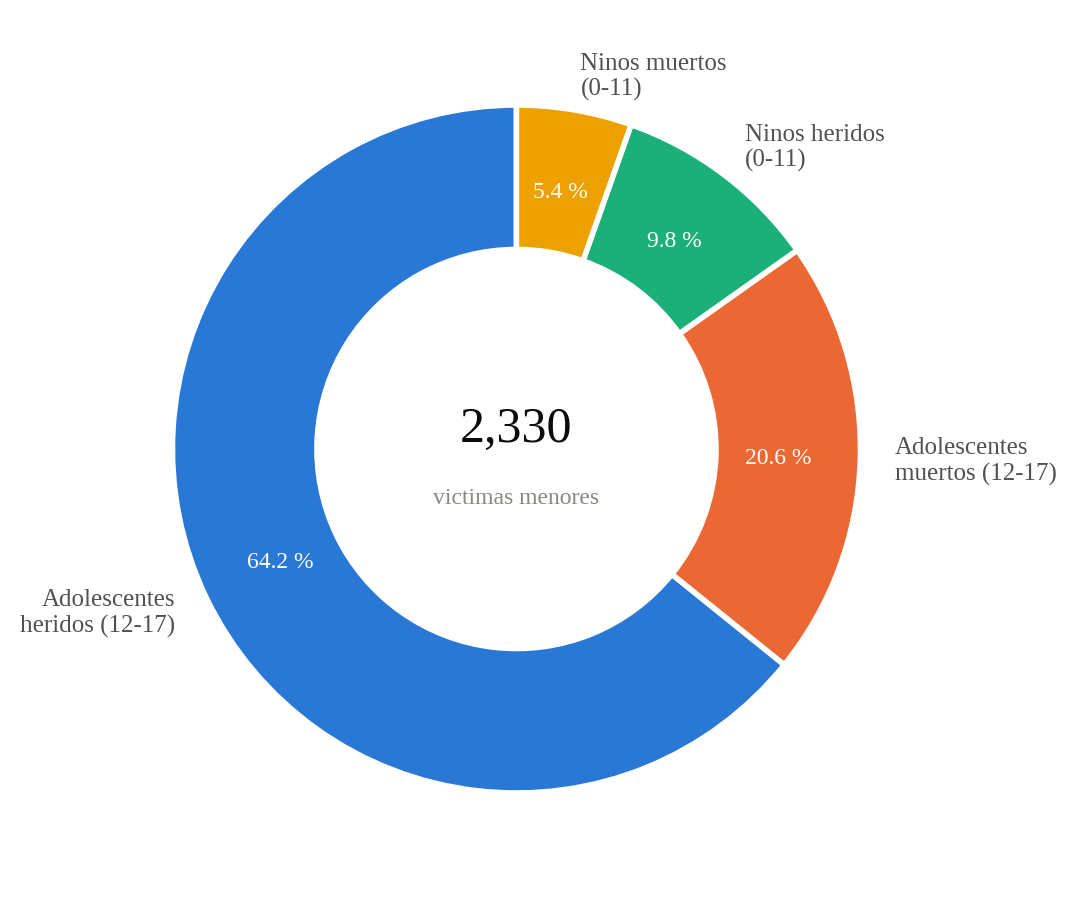
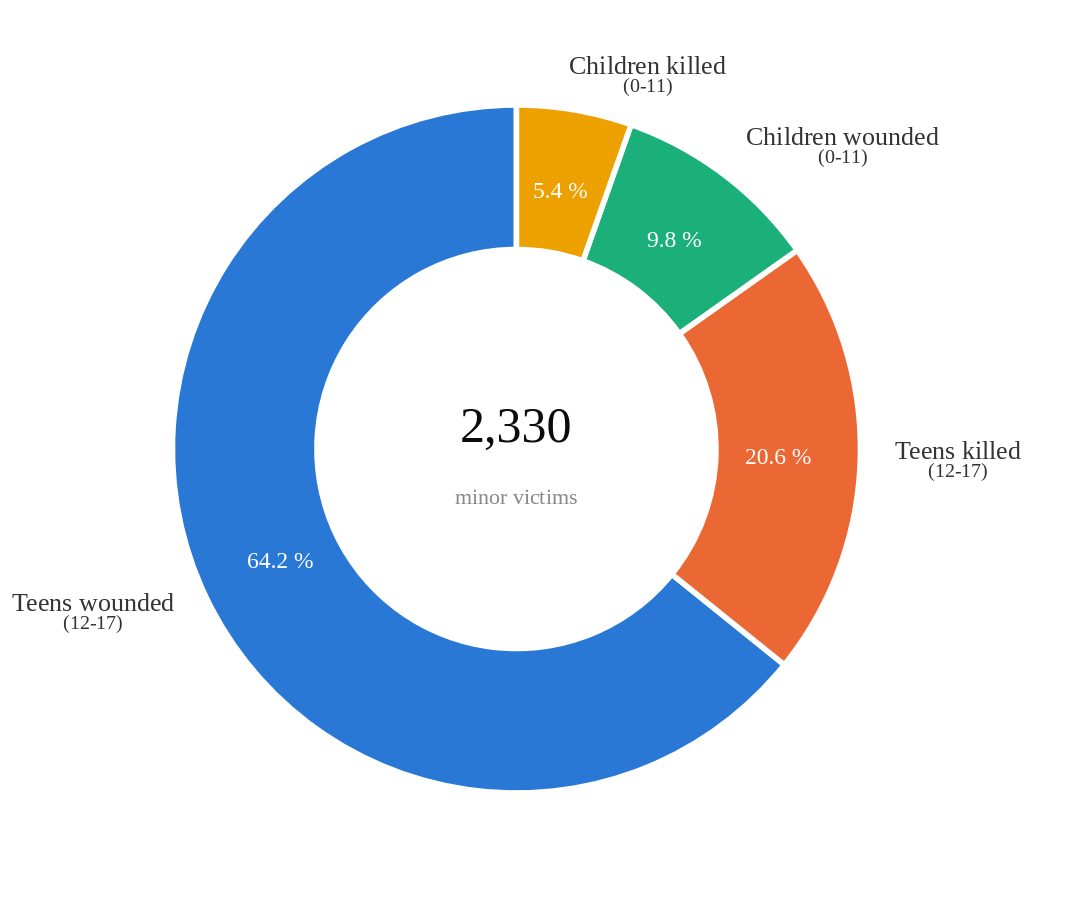
Un dato me detiene especialmente. En el conjunto de la violencia armada, el Gun Violence Archive contabilizó cientos de niños y adolescentes muertos o heridos por disparos en lo que va del año (Gun Violence Archive, «Past Summary Ledgers», julio de 2026). Y según los registros disponibles, hubo más tiroteos en escuelas estadounidenses en los últimos tres años que en cualquier periodo anterior (Stop US Arms to Mexico, «No Shelter from the Storm», 2025). No hay estadística que suavice esa realidad.One figure stops me in particular. Across the full scope of gun violence, the Gun Violence Archive counted hundreds of children and teenagers killed or wounded by gunfire so far this year (Gun Violence Archive, «Past Summary Ledgers,» July 2026). And according to available records, there have been more shootings at American schools in the past three years than in any prior period (Stop US Arms to Mexico, «No Shelter from the Storm,» 2025). No statistic softens that reality.
Lo que Washington está proponiendoWhat Washington Is Proposing
Sobre este trasfondo se desarrolla un debate legislativo que merece atención cuidadosa. La propuesta más significativa es la Ley Constitucional de Reciprocidad de Porte Oculto de 2025 (Constitutional Concealed Carry Reciprocity Act of 2025, H.R. 38 en la Cámara de Representantes, con su proyecto compañero S. 65 en el Senado) (Congress.gov, H.R. 38 y S. 65, 119.º Congreso).Against this backdrop, a legislative debate is unfolding that deserves careful attention. The most significant proposal is the Constitutional Concealed Carry Reciprocity Act of 2025 (H.R. 38 in the House of Representatives, with its companion bill S. 65 in the Senate) (Congress.gov, H.R. 38 and S. 65, 119th Congress).
Veamos con exactitud qué propone y cuál es su estado actual, porque la desinformación abunda. El proyecto fue presentado el 3 de enero de 2025 por el representante Richard Hudson, de Carolina del Norte (Congress.gov, H.R. 38, 119.º Congreso). El 25 de marzo de 2025, el Comité Judicial de la Cámara lo aprobó por dieciocho votos contra nueve, siguiendo líneas partidistas (NRA-ILA, «House Judiciary Committee Votes to Advance Concealed Carry Reciprocity Legislation», 25 de marzo de 2025; NSSF, 26 de marzo de 2025). Posteriormente fue incluido en el Union Calendar de la Cámara, lo que lo posiciona para una votación en el pleno (Congress.gov, H.R. 38, historial de acciones). Sin embargo, y esto es fundamental, a mediados de 2026 esa votación en el pleno todavía no se ha producido, y el proyecto compañero del Senado, S. 65, no ha avanzado a través de su comité (Congress.gov, H.R. 38 y S. 65, 119.º Congreso). No es ley.Let’s look precisely at what it proposes and where it currently stands, because misinformation is abundant. The bill was introduced on January 3, 2025, by Representative Richard Hudson of North Carolina (Congress.gov, H.R. 38, 119th Congress). On March 25, 2025, the House Judiciary Committee advanced it by a vote of eighteen to nine, along party lines (NRA-ILA, «House Judiciary Committee Votes to Advance Concealed Carry Reciprocity Legislation,» March 25, 2025; NSSF, March 26, 2025). It was subsequently placed on the House Union Calendar, positioning it for a floor vote (Congress.gov, H.R. 38, action history). However — and this is essential — as of mid-2026 that floor vote still has not taken place, and the Senate companion bill, S. 65, has not advanced through its committee (Congress.gov, H.R. 38 and S. 65, 119th Congress). It is not law.
¿Qué haría el proyecto si se convirtiera en ley? En términos sencillos, permitiría que una persona autorizada a portar un arma oculta en su estado de residencia pudiera portarla en cualquier otro estado que permita el porte oculto (Congress.gov, resumen oficial de H.R. 38). Establecería un marco federal que, según el resumen legislativo oficial, tendría prioridad sobre la mayoría de las leyes estatales y locales relativas al porte oculto, y crearía un derecho privado de acción para quien considere vulnerado el derecho que la ley establecería (Congress.gov, resumen oficial de H.R. 38).What would the bill do if it became law? In simple terms, it would allow a person authorized to carry a concealed weapon in their state of residence to carry it in any other state that permits concealed carry (Congress.gov, official summary of H.R. 38). It would establish a federal framework that, per the official legislative summary, would take precedence over most state and local laws governing concealed carry, and would create a private right of action for anyone who believes the right the law establishes has been violated (Congress.gov, official summary of H.R. 38).
Los defensores del proyecto, encabezados por la National Rifle Association y Gun Owners of America, sostienen que la ley protegería los derechos de la Segunda Enmienda de ciudadanos respetuosos de la ley y resolvería el mosaico de regulaciones estatales que, según argumentan, convierte inadvertidamente en delincuentes a portadores legales que cruzan fronteras estatales (NRA-ILA, 25 de marzo de 2025; Gun Owners of America, noviembre de 2025). Los opositores advierten que la medida socavaría las regulaciones estatales y locales diseñadas para proteger la seguridad pública, imponiendo a los estados con normas más estrictas los estándares de los estados más permisivos (declaración de posición recogida en el debate del Comité Judicial de la Cámara, Congress.gov, H.R. Rept. 119-337).Supporters of the bill, led by the National Rifle Association and Gun Owners of America, argue that the law would protect the Second Amendment rights of law-abiding citizens and resolve the patchwork of state regulations that, they contend, inadvertently turns legal carriers into criminals when they cross state lines (NRA-ILA, March 25, 2025; Gun Owners of America, November 2025). Opponents warn that the measure would undermine state and local regulations designed to protect public safety, imposing the standards of the most permissive states onto states with stricter rules (position statement recorded in the House Judiciary Committee debate, Congress.gov, H.R. Rept. 119-337).
No corresponde a este espacio dictar cuál de las dos posiciones debe prevalecer; esa es una decisión que pertenece a los ciudadanos y a sus representantes. Corresponde, en cambio, comprender que la legislación se debate en un contexto que trasciende las fronteras estadounidenses. Y ahí quiero llevar la conversación.It is not this space’s place to dictate which of the two positions should prevail; that decision belongs to citizens and their representatives. What is this space’s place is to understand that this legislation is being debated in a context that transcends America’s borders. And that is where I want to take the conversation.
El río de hierro: cuando la política interna se vuelve exportación de dueloThe Iron River: When Domestic Policy Becomes an Export of Mourning
Existe un concepto que quienes vivimos entre varios países conocemos bien, aunque rara vez aparezca en el debate estadounidense: el «río de hierro», el flujo constante de armas de fabricación estadounidense hacia México, Centroamérica y el Caribe.There is a concept that those of us who live across several countries know well, even though it rarely surfaces in the American debate: the «iron river» — the constant flow of American-made firearms into Mexico, Central America, and the Caribbean.
Las cifras son contundentes y provienen de la propia agencia federal estadounidense, la Oficina de Alcohol, Tabaco, Armas de Fuego y Explosivos (ATF). Un estudio de la ATF de 2021 determinó que el 70 por ciento de las armas de crimen recuperadas en México entre 2014 y 2018 y sometidas a rastreo eran de origen estadounidense (ATF, 2021, citado en Oficina del Senador Dick Durbin, comunicado del 3 de febrero de 2025). En cuatro países de Centroamérica, la Oficina de Rendición de Cuentas del Gobierno (GAO) estimó que aproximadamente el 40 por ciento de unas 27.000 armas recuperadas entre 2015 y 2019 y remitidas a la ATF para su rastreo tenían origen estadounidense (U.S. Government Accountability Office, informe de enero de 2022). Se estima que entre doscientas mil y quinientas mil armas fabricadas en Estados Unidos se trafican hacia México cada año, atribuibles en gran medida a vendedores sin licencia, compradores de paja y robos a licenciatarios federales (Oficina del Senador Dick Durbin, 3 de febrero de 2025).The figures are stark, and they come from the U.S. federal government’s own agency, the Bureau of Alcohol, Tobacco, Firearms and Explosives (ATF). A 2021 ATF study found that 70 percent of crime guns recovered in Mexico between 2014 and 2018 and submitted for tracing were of U.S. origin (ATF, 2021, cited in the Office of Senator Dick Durbin, statement of February 3, 2025). Across four Central American countries, the Government Accountability Office (GAO) estimated that roughly 40 percent of some 27,000 firearms recovered between 2015 and 2019 and referred to the ATF for tracing were of U.S. origin (U.S. Government Accountability Office, report of January 2022). Between two hundred thousand and five hundred thousand U.S.-manufactured firearms are estimated to be trafficked into Mexico each year, attributable in large part to unlicensed sellers, straw purchasers, and thefts from federal licensees (Office of Senator Dick Durbin, February 3, 2025).
Hay un dato histórico que ilumina esta discusión de manera directa. Investigadores han rastreado el auge de las armas estadounidenses en México hasta la expiración, en 2004, de la prohibición federal sobre armas de asalto; antes de esa fecha se estimaba que menos de noventa mil armas cruzaban la frontera cada año (Institute for Economics and Peace, «The Iron River», 2025). Un estudio de 2013 determinó que hubo un aumento inmediato de homicidios por arma de fuego en los municipios mexicanos cercanos a la frontera estadounidense tras la expiración de esa prohibición (estudio de 2013 citado en Institute for Economics and Peace, 2025). En Guatemala, el crecimiento exponencial de las exportaciones de pistolas estadounidenses ha alimentado el tráfico de armas y las tasas de homicidio (Stop US Arms to Mexico, «No Shelter from the Storm», 2025).One historical data point illuminates this discussion directly. Researchers have traced the surge in U.S. firearms in Mexico back to the 2004 expiration of the federal assault weapons ban; before that date, an estimated fewer than ninety thousand weapons crossed the border each year (Institute for Economics and Peace, «The Iron River,» 2025). A 2013 study found an immediate rise in gun homicides in Mexican municipalities near the U.S. border following that ban’s expiration (2013 study cited in Institute for Economics and Peace, 2025). In Guatemala, the exponential growth of U.S. pistol exports has fueled arms trafficking and homicide rates (Stop US Arms to Mexico, «No Shelter from the Storm,» 2025).
Aquí reside la conexión que da sentido a este artículo. Las decisiones legislativas que se toman en Washington sobre la circulación de armas dentro de Estados Unidos no son un asunto meramente doméstico. Cuando la regulación interna se relaja, cuando aumenta el volumen de armas en circulación y disminuyen las barreras a su transporte, el efecto se propaga hacia el sur. Las islas donde la gente imagina estar a salvo de estas tormentas de violencia se encuentran, según describen quienes estudian el fenómeno, en constante achicamiento (Stop US Arms to Mexico, «No Shelter from the Storm», 2025).Here lies the connection that gives this article its purpose. Legislative decisions made in Washington about the circulation of firearms within the United States are not a purely domestic matter. When domestic regulation loosens, when the volume of weapons in circulation rises and the barriers to their transport fall, the effect propagates southward. The islands where people imagine themselves safe from these storms of violence are, as those who study the phenomenon describe it, steadily shrinking (Stop US Arms to Mexico, «No Shelter from the Storm,» 2025).
No sostengo que la Ley de Reciprocidad de Porte Oculto vaya a alimentar directamente el tráfico transfronterizo; el porte oculto legal por parte de ciudadanos autorizados y el tráfico ilícito hacia los carteles son fenómenos distintos, y sería deshonesto confundirlos. Sostengo algo más amplio y, creo, más importante: que la arquitectura legal estadounidense sobre las armas de fuego funciona como el caudal de un río cuyas aguas descienden mucho más allá de su territorio. Cada decisión sobre disponibilidad, circulación y control río arriba determina lo que llega río abajo, a los países que compartimos este hemisferio.I am not arguing that the Concealed Carry Reciprocity Act would directly fuel cross-border trafficking; legal concealed carry by authorized citizens and illicit trafficking to cartels are distinct phenomena, and it would be dishonest to conflate them. I am arguing something broader and, I believe, more important: that America’s legal architecture around firearms functions like the current of a river whose waters flow far beyond its own territory. Every decision about availability, circulation, and control upstream determines what arrives downstream, in the countries we share this hemisphere with.
Por qué esto importa para quienes miramos desde afueraWhy This Matters to Those of Us Watching From Outside
He vivido en la República Dominicana, en Estados Unidos, en América Latina, en España y en Türkiye. Esa geografía personal me ha enseñado que existe una asimetría profunda en cómo se discute la violencia armada. Dentro de Estados Unidos, el debate se libra en el terreno de los derechos individuales, la Segunda Enmienda y la seguridad pública nacional. Desde afuera, el debate se vive como una cuestión de supervivencia importada, de duelo que llega en contenedores que nunca elegimos recibir.I have lived in the Dominican Republic, in the United States, in Latin America, in Spain, and in Türkiye. That personal geography has taught me that there is a profound asymmetry in how gun violence gets discussed. Inside the United States, the debate is fought on the terrain of individual rights, the Second Amendment, and national public safety. From outside, the debate is lived as a matter of imported survival, of mourning arriving in containers we never chose to receive.
Ambas perspectivas son legítimas. Un ciudadano estadounidense tiene el derecho de debatir las leyes de su país conforme a su Constitución y sus valores. Pero la comunidad internacional tiene, a su vez, el derecho de nombrar las consecuencias que esas leyes producen más allá de sus fronteras. El diálogo honesto entre ambas perspectivas es, quizás, uno de los debates pendientes más urgentes de nuestro tiempo.Both perspectives are legitimate. An American citizen has the right to debate their country’s laws according to their Constitution and their values. But the international community, in turn, has the right to name the consequences those laws produce beyond its borders. Honest dialogue between both perspectives is, perhaps, one of the most urgent unfinished debates of our time.
Cerré Una nación de luto con la convicción de que el duelo, cuando se convierte en costumbre, pierde su capacidad de exigirnos algo. Nos acostumbramos. Y en ese acostumbramiento se esconde una rendición silenciosa. Escribir sobre estas cifras cada semana es, para mí, una manera de negarme a esa rendición. No porque las palabras detengan las balas, sino porque nombrar con precisión lo que ocurre es la condición mínima para que algún día decidamos, colectivamente, que ya basta.I closed A Nation in Mourning with the conviction that grief, once it becomes habit, loses its power to demand anything of us. We grow accustomed. And within that habituation hides a quiet surrender. Writing about these figures every week is, for me, a way of refusing that surrender. Not because words stop bullets, but because naming precisely what is happening is the minimum condition for us to one day decide, collectively, that enough is enough.
El río de hierro no se detiene en la frontera. Tampoco debería detenerse ahí nuestra conversación.The iron river doesn’t stop at the border. Neither should our conversation.
L. Carmen Gómez escribe sobre violencia armada, derecho y política. Es autora de Una nación de luto / A Nation in Mourning (2026) y Los caballeros no nacen, se hacen. Sus columnas aparecen semanalmente en unanaciondeluto.com.L. Carmen Gómez writes about gun violence, law, and policy. She is the author of A Nation in Mourning (2026) and Los caballeros no nacen, se hacen. Her columns appear weekly at unanaciondeluto.com.
Fuentes primarias consultadasPrimary Sources Consulted
- Gun Violence Archive, «Past Summary Ledgers» y «Mass Shootings in 2026» (datos publicados el 23 de julio de 2026). gunviolencearchive.org
- Gun Violence Archive, «Methodology» (definición de tiroteo masivo). gunviolencearchive.org/methodology
- The Trace, «92 Days In Gun Violence: By the Numbers, Q2 2026» (julio de 2026), con datos del Gun Violence Archive. thetrace.org
- The Trace, «The Data on Gun Violence in America, Q1 2026» (abril de 2026), con datos del Gun Violence Archive.
- Congress.gov, H.R. 38 — 119.º Congreso (2025–2026), «Constitutional Concealed Carry Reciprocity Act of 2025», texto, resumen oficial e historial de acciones. congress.gov/bill/119th-congress/house-bill/38
- Congress.gov, S. 65 — 119.º Congreso (2025–2026), proyecto compañero del Senado. congress.gov/bill/119th-congress/senate-bill/65
- NRA-ILA, «House Judiciary Committee Votes to Advance Concealed Carry Reciprocity Legislation» (25 de marzo de 2025). nraila.org
- National Shooting Sports Foundation (NSSF), «House Republicans Honor Second Amendment Promises, Advance Key Legislation» (26 de marzo de 2025). nssf.org
- Gun Owners of America, «NOW is the moment for reciprocity» (noviembre de 2025). gunowners.org
- Oficina del Senador Dick Durbin, comunicado «Durbin, Castro Introduce Bill To Curb Firearms Trafficking» (3 de febrero de 2025), con datos de rastreo de la ATF de 2021. durbin.senate.gov
- U.S. Government Accountability Office (GAO), informe sobre tráfico de armas estadounidenses hacia Centroamérica (enero de 2022), citado por la Oficina del Senador Durbin.
- Bureau of Alcohol, Tobacco, Firearms and Explosives (ATF), datos de rastreo de armas recuperadas en México y Centroamérica.
- Stop US Arms to Mexico, «No Shelter from the Storm: Update on Iron River of Guns» (2025). stopusarmstomexico.org
- Institute for Economics and Peace, «The Iron River: Flow of Firearms Across the US–Mexico Border» (2025).
- Gun Violence Archive, «Past Summary Ledgers» and «Mass Shootings in 2026» (data published July 23, 2026). gunviolencearchive.org
- Gun Violence Archive, «Methodology» (mass shooting definition). gunviolencearchive.org/methodology
- The Trace, «92 Days In Gun Violence: By the Numbers, Q2 2026» (July 2026), with data from the Gun Violence Archive. thetrace.org
- The Trace, «The Data on Gun Violence in America, Q1 2026» (April 2026), with data from the Gun Violence Archive.
- Congress.gov, H.R. 38 — 119th Congress (2025–2026), «Constitutional Concealed Carry Reciprocity Act of 2025,» text, official summary, and action history. congress.gov/bill/119th-congress/house-bill/38
- Congress.gov, S. 65 — 119th Congress (2025–2026), Senate companion bill. congress.gov/bill/119th-congress/senate-bill/65
- NRA-ILA, «House Judiciary Committee Votes to Advance Concealed Carry Reciprocity Legislation» (March 25, 2025). nraila.org
- National Shooting Sports Foundation (NSSF), «House Republicans Honor Second Amendment Promises, Advance Key Legislation» (March 26, 2025). nssf.org
- Gun Owners of America, «NOW is the moment for reciprocity» (November 2025). gunowners.org
- Office of Senator Dick Durbin, statement «Durbin, Castro Introduce Bill To Curb Firearms Trafficking» (February 3, 2025), with 2021 ATF tracing data. durbin.senate.gov
- U.S. Government Accountability Office (GAO), report on U.S. arms trafficking to Central America (January 2022), cited by the Office of Senator Durbin.
- Bureau of Alcohol, Tobacco, Firearms and Explosives (ATF), tracing data on firearms recovered in Mexico and Central America.
- Stop US Arms to Mexico, «No Shelter from the Storm: Update on Iron River of Guns» (2025). stopusarmstomexico.org
- Institute for Economics and Peace, «The Iron River: Flow of Firearms Across the US–Mexico Border» (2025).